
Promoting Pollinators and Native Plants
Pollinators are critical for fruitful gardens, productive farms, and healthy ecosystems, but pollinator populations are in decline in many …


Warren County Center will be closed on Mon 01/19/2026 for the holiday.


El inglés es el idioma de control de esta página. En la medida en que haya algún conflicto entre la traducción al inglés y la traducción, el inglés prevalece.
Al hacer clic en el enlace de traducción se activa un servicio de traducción gratuito para convertir la página al español. Al igual que con cualquier traducción por Internet, la conversión no es sensible al contexto y puede que no traduzca el texto en su significado original. NC State Extension no garantiza la exactitud del texto traducido. Por favor, tenga en cuenta que algunas aplicaciones y/o servicios pueden no funcionar como se espera cuando se traducen.
Inglês é o idioma de controle desta página. Na medida que haja algum conflito entre o texto original em Inglês e a tradução, o Inglês prevalece.
Ao clicar no link de tradução, um serviço gratuito de tradução será ativado para converter a página para o Português. Como em qualquer tradução pela internet, a conversão não é sensivel ao contexto e pode não ocorrer a tradução para o significado orginal. O serviço de Extensão da Carolina do Norte (NC State Extension) não garante a exatidão do texto traduzido. Por favor, observe que algumas funções ou serviços podem não funcionar como esperado após a tradução.
English is the controlling language of this page. To the extent there is any conflict between the English text and the translation, English controls.
Clicking on the translation link activates a free translation service to convert the page to Spanish. As with any Internet translation, the conversion is not context-sensitive and may not translate the text to its original meaning. NC State Extension does not guarantee the accuracy of the translated text. Please note that some applications and/or services may not function as expected when translated.
Collapse ▲Pollinators are critical for fruitful gardens, productive farms, and healthy ecosystems, but pollinator populations are in decline in many …

Calling all youth flock owners to help in protecting all North Carolina flocks! Highly Pathogenic Avian Influenza (known as …

The Chatham County Center of North Carolina Cooperative Extension conducted two blueberry production webinars in November-December 2021. NC State …
Local gardeners will not want to miss the Garden Path Newsletter, Winter Edition, which is now available to download. …

Emily Fuller is in her third year of farming at Heart Song Farm in Silk Hope, truly a labor …

Are you interested in learning more about specialty fruit and vegetable production and market opportunities? Join Dr. Kathleen Liang, Co-Director …

The gentle hum of bees, butterflies, and moths is the sound of success in Sampson County where Extension Master Gardener℠ …
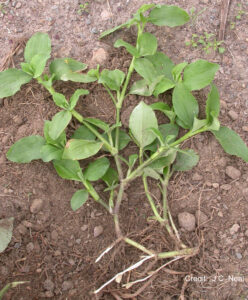
Tropical spiderwort (Commelina benghalensis), a noxious weed, has been found in several landscape beds in Raleigh. See a fact …

Chatham County’s Fiddlehead Farm has won their THIRD national Good Food Award! Earlier this year they won for their Black …

This special segment offered as part of the Plants, Pests and Pathogens webinar series highlights alternatives to invasive or problem-prone …

Chatham Conservation Partnership conducted a webinar on Healthy Yard Alternatives on October 21, 2021, and we had a great turnout …
The NC Farm School is a Cooperative Extension entrepreneurial program for new and transitioning farmers with the mission of increasing …

Grower Hannah Popish of Poppysol Farm + Apothecary has been cultivating herbs and flowers at her one acre permaculture-inspired …
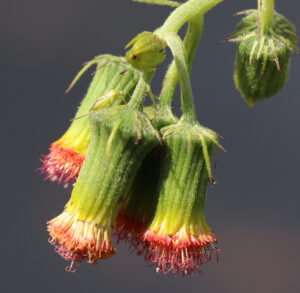
No, I’m not talking about your brother-in-law. Thickhead or redflower ragleaf (Crassocephalum crepidioides) is an introduced weed that I’m …
Four times a year, the Extension Master Gardener℠ volunteers of Vance and Warren Counties publish a delightful gardening newsletter …

Stormwater runoff is a major cause of water pollution and flash flooding in urban areas. Properly designed landscape features …

Grafting great tasting tomato varieties onto rootstocks that are resistant to soil-borne diseases such as southern blight and bacterial …

The biggest handicap to growing crops in the Sandhills is the sandy soil. Acidic and low in organic matter, …

Master Gardener℠ volunteers (MGVs) participated in a delicious pilot project during the summer of 2021 and are preparing to …

From Chatham County Agriculture Agent Debbie Roos: In early June I got to spend time with our two Extension interns …
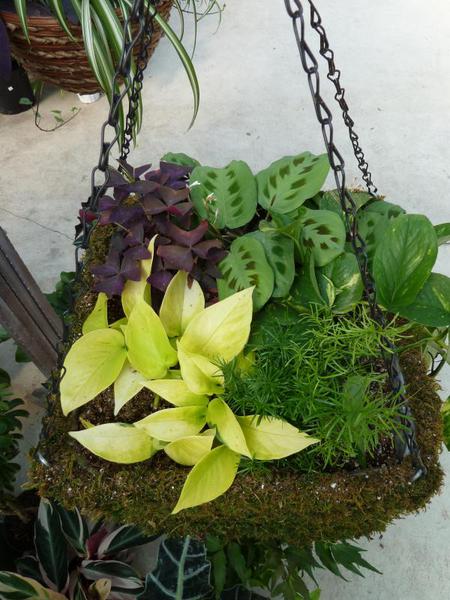
This Plants Grown in Containers chapter from the Extension Gardener Handbook teaches gardeners about selecting …

North Carolina’s climate and soils are well suited to grow many types tree fruits. This …
This annual guide supplies information concerning pesticides that can be used for controlling pests in …
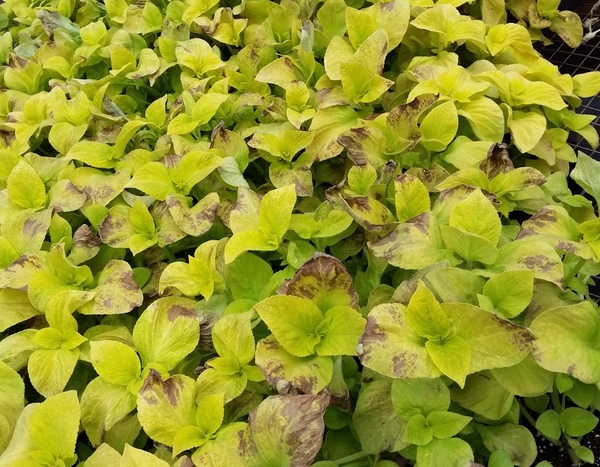
Downy mildew is a disease caused by fungal-like organisms that can affect a wide variety …

This publication alerts prospective gardeners to some of the most common contaminants in urban soils, …
This table presents information on postemergence herbicides registered for use on woody ornamentals.
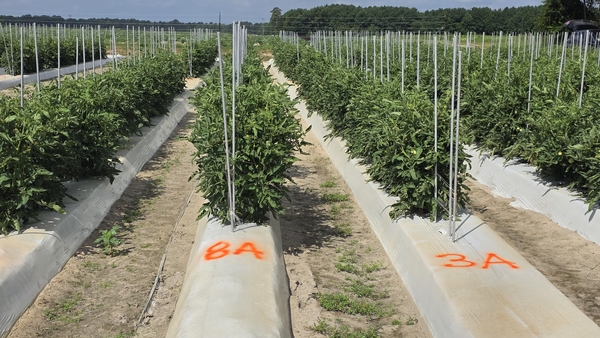
Tomato is a warm-season crop that, when managed using appropriate production practices, can reach first …
This publication focuses on the production and harvest of head lettuce, one of the most …